World Down Syndrome Day 2026
World Down Syndrome Day 2026 (WDSD 26) will be marked on Saturday, 21 March 2026. The day celebrates the abilities, achievements, and contributions of people with Down syndrome, while also promoting awareness, advocacy, and inclusion across communities worldwide.
Led by Down Syndrome International, the campaign brings together national charities and organisations around the globe to create events, activities, and conversations that champion the rights and wellbeing of people with Down syndrome. This year’s theme addresses loneliness and social isolation, and how people with Down Syndrome often experience this. The day also provides an important opportunity to share accurate information about what it means to live with Down syndrome and to highlight the vital role individuals play in enriching our communities.
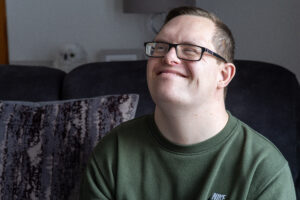
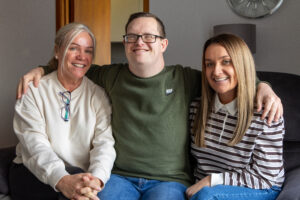
In recognition of WDSD 26, Lynn Angus, Service Manager at our Futures service at Millview, shares some insights into how her team supports Gary, one of our service users living at Millview who has Down Syndrome. Lynn’s reflections offer a meaningful look at the personalised, empowering support that helps Gary thrive in his daily life, and to feel genuinely socially connected.
What support does Hillcrest provide people with learning disabilities such as DS?
“We provide support to enable people with learning disabilities to live their lives as independently as they are able to. We encourage and promote people to learn and maintain life skills. We help people achieve goals and celebrate their wins and successes as well as cope with any hurdles. We advocate for people and make sure their voices are heard and we provide opportunities to give new experiences to the people we support.”
Do you use any special tools to help communicate with people at your service who have Down Syndrome? How do these tools make a difference?
“Gary uses Makaton sign language in addition to his speech; this helps him be able to be better understood. Gary is brilliant at Makaton, he can help staff refresh their knowledge of signs too. Gary also uses talking mats to help get his opinion and thoughts across. These tools help Gary to make genuine connections with people and feel more included in every day life.
People with additional support needs can have a tendency to give answers that they think we want to hear rather than their own opinions, so using a talking mat helps ensure Gary can give answers true to how he is feeling, rather than the temptation to try to please the people he is speaking to.”
How does your support improve Gary’s life?
“The support we give means that Gary can live his life the way you or I would. He lives in his own home, he makes his own choices and takes risks. Living in his own home rather than the old institutional care model means that Gary has control of his own life. He has rights and knows he is respected and valued for being himself.”
What brings you joy in your role supporting people with Down Syndrome?
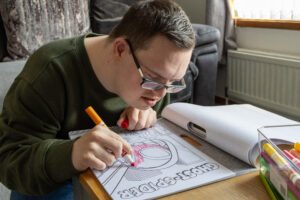
“Gary brings everyone joy! He has a brilliant sense of humour. He has an infectious laugh and likes to joke with the people around him. Gary is incredibly caring and empathetic; he cares deeply for those around him and the support workers consider themselves incredibly lucky to be a part of his life.
Staff enjoy helping Gary work towards achieving his goals, being active in his community and living his life the same as everyone else.”
Is your service doing anything to celebrate WDSD 26?
“For WDSD we are doing a video of 21 special things about Gary and the staff and service users are encouraged to wear odd socks. Gary is also having a day out during the week to celebrate him; doing lots of his favourite things.”
Our special thanks to Lynn and Gary for sharing these insights! It’s great to see how Gary is being supported to live his best life.
If you would like to know more about Down Syndrome, please visit: https://dsscotland.org.uk/